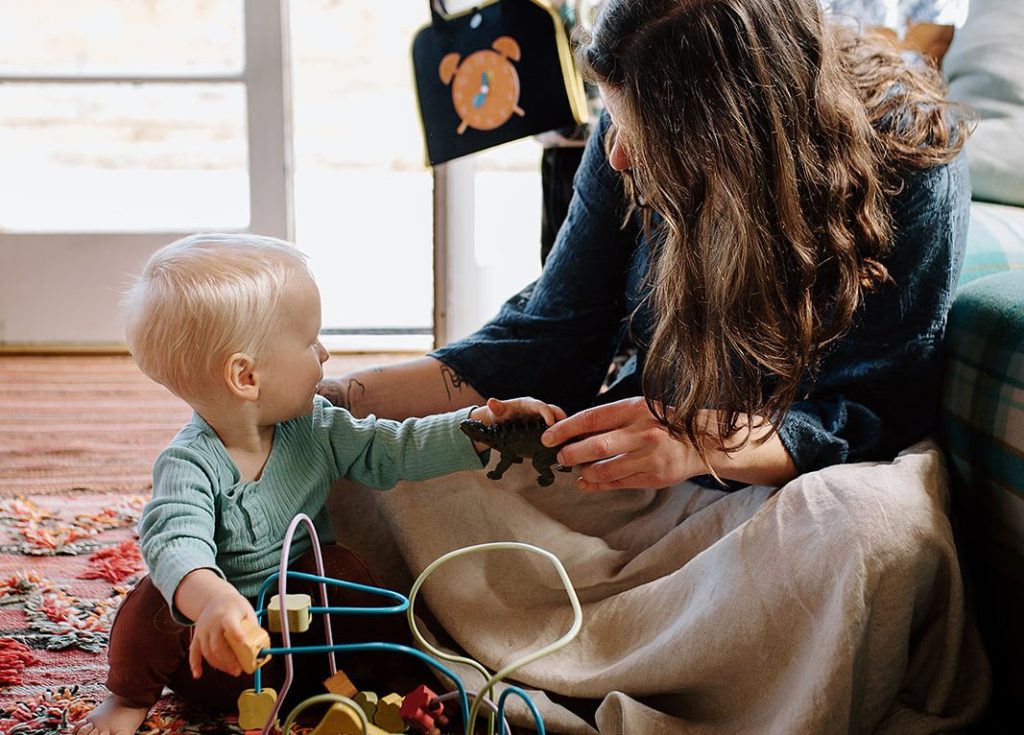
After treatment, emotions and tantrums can follow. This may not feel great for parents but for the child, this is a strong sign that healing processes are underway. What doesn’t need to be held onto will be released.
When you heal deeply, the body decides to let go of what it doesn’t need anymore (emotions, toxins, habits, behaviours, survival mechanisms) so that we can move forward with our health.
After a treatment this deep, emotions always bubble up for people of all ages. But kids heal especially fast because they don’t block their emotions. So rather than being frustrated with kids or worrying that something is “wrong”, try to see it as a sign of what powerful little healing machines they are!
If it helps, here’s a bit of explanation about why some emotions might be louder than normal, to hopefully grant you some extra patience for tricky outbursts.
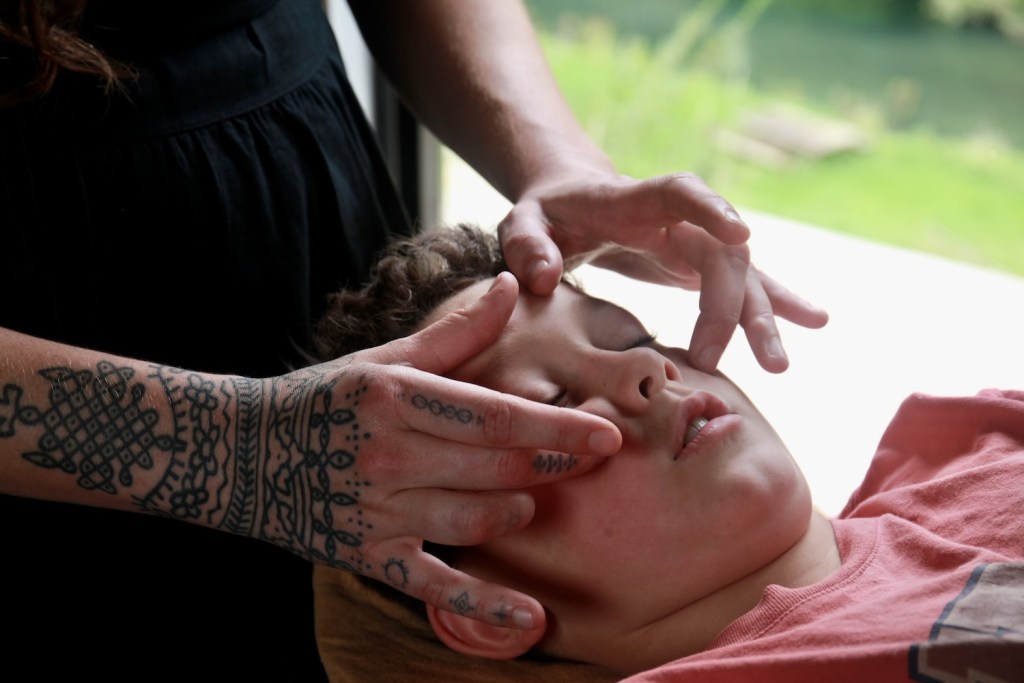
Organs and Emotions
In Traditional Chinese Medicine, they have thoroughly documented how each organ in the body is connected to a specific emotion.
The liver is associated with anger and frustration. When it’s working hard, irritability tends to rise. The lungs are connected to sadness and grief, and are closely linked to the skin. The stomach and spleen are associated with worry.
This is part of why, after a big treatment, you might notice your child experiencing emotions or physical symptoms that seem unrelated to why you first came in. Or, why physical treatments may be needed in order to deal with emotional dysregulation.
It’s all connected. Just not always in ways that are immediately obvious!
What To Do In The Moment
- Don’t try to stop the emotion. The goal isn’t to calm them down as fast as possible, it’s to let the emotion move through. Try your best to comfort them, or respect their need for space. Don’t shut it down or ask them to “behave”.
- You don’t need to explain it or find a reason. There may not be a logical trigger and that’s okay.
- Help them discharge it. Verbalise, growl like a lion together, hold space while they cry or grizzle. Movement like jumping, stomping, shaking can all help. A bath, footbath, or washing hands can be surprisingly calming. Creative expression is useful too: drawing, singing, banging things.
- Stay regulated yourself. Children co-regulate with their caregivers so your calm is a powerful tool. But if you’re human, you’ll likely have rising emotions in response – use these as an opportunity to teach by example: feel it, identify the emotion out loud, and show them how you move through it.
- Give it time. An emotion that’s allowed to move through will pass. One that gets blocked tends to resurface later.
Good Luck!
It’s not always easy but try to trust that emotions expressed are a typical sign that your child is undergoing some deep healing . The treatments I’m giving your child are designed to help restore balance in mind and body and often the emotional tap needs to be loosened in the process.
If things are feeling stuck and you need any extra support, you can always book another appointment with me.

